Designing for Climate Without Making It Obvious
The best climate-responsive architecture is invisible. Comfort through intelligent design.
In this article
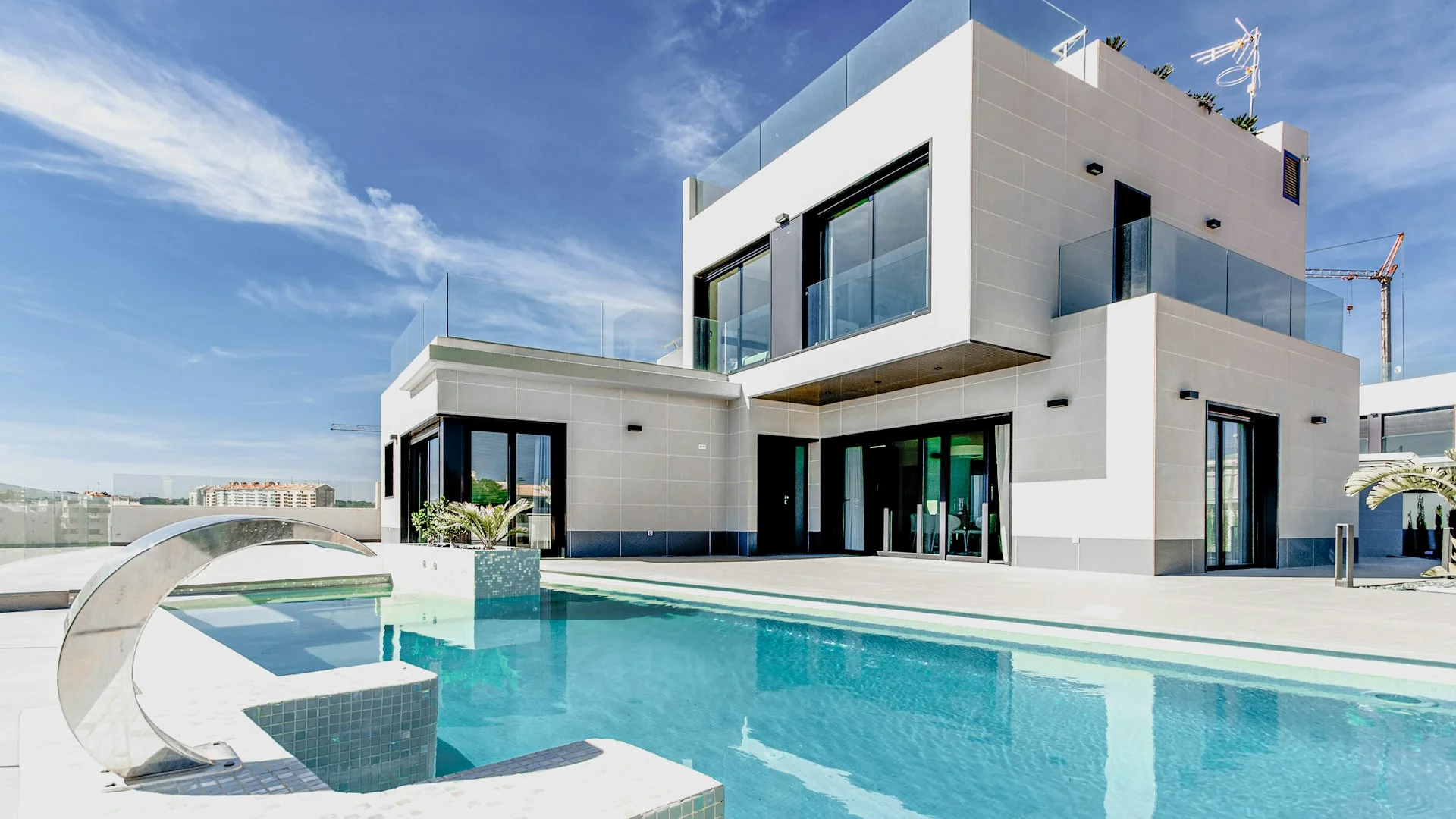
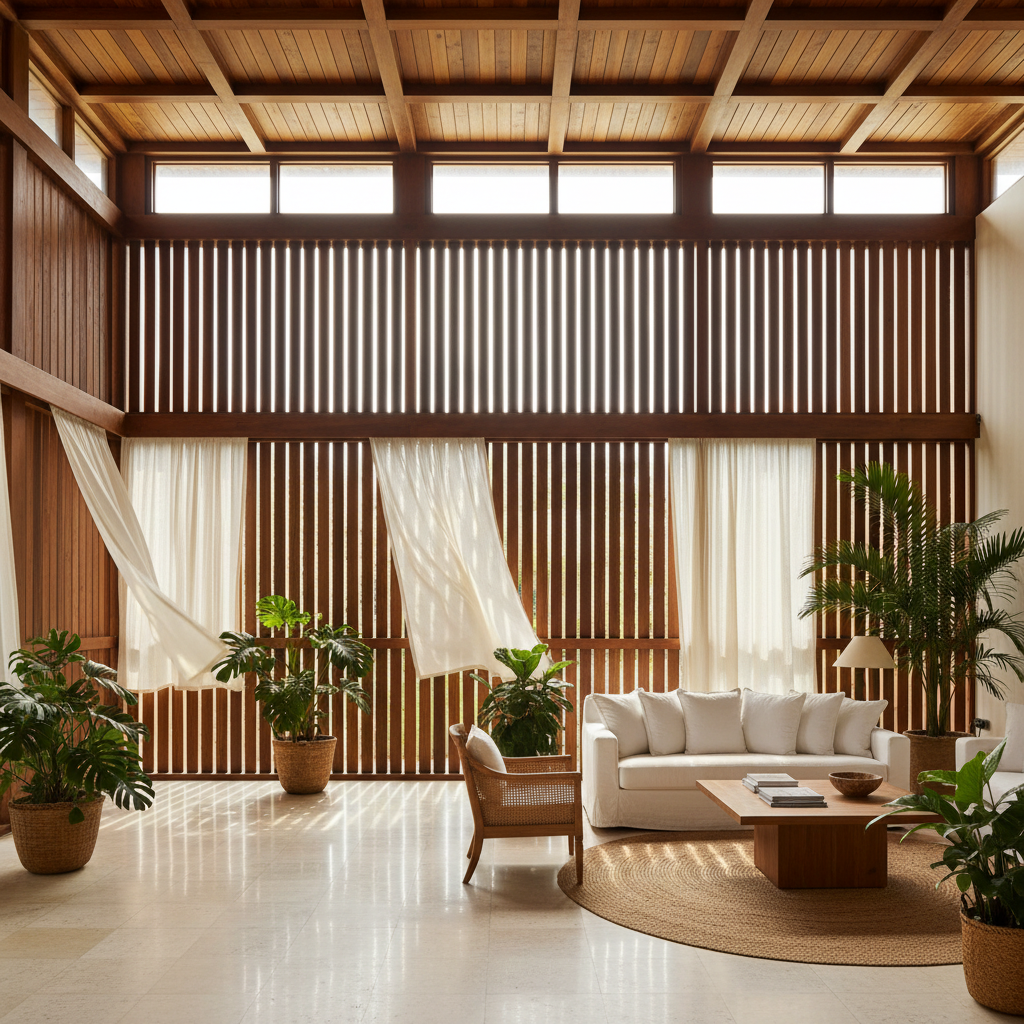
The most comfortable buildings do not look like climate machines. They look like architecture. Their response to climate is embedded in orientation, overhangs, opening placement, and material choice.
Orientation Before Technology
The single most important climate decision is orientation. A correctly oriented building requires far less mechanical cooling. The ideal Indonesian orientation places the long axis east-west with primary spaces facing north or south.
The Power of Deep Overhangs
A deep overhang is the most elegant climate device. It shades windows when the sun is high, flooding interiors with diffused light while staying cool. In Indonesia, 1.2 to 1.8 metres provides effective year-round shading.
Materials That Breathe
Natural materials moderate temperature and humidity. Stone stays cool. Timber absorbs moisture. Plaster breathes. These materials do their work silently, invisibly — no technology required.
Deep Overhangs as the Primary Device
The most effective climate-responsive architectural element is also the simplest: a deep roof overhang. In tropical latitudes, a properly calculated overhang excludes direct solar radiation from glazed openings during the hottest months while admitting low-angle sun during cooler periods. This passive strategy requires no technology, no energy, and no maintenance.
The overhang is not merely a functional device. It shapes the architecture. The deep shadow it casts defines the transition between inside and outside. The column that supports it anchors the building to the ground. A climate-responsive strategy that also produces good architecture is the mark of design intelligence.
Cross-Ventilation as Design Generator
The plan of a climate-responsive tropical building is shaped by the path of the prevailing wind. Rooms are arranged to allow air to move through the building — from the windward side through to the leeward side. Openings are positioned to create pressure differentials that drive airflow even when there is no breeze.
This approach to planning produces architecture that is genuinely sustainable without relying on technology. It is also architecture that is inherently connected to its environment. The building breathes with the landscape. The experience of being inside changes with the weather. That connection is the essence of tropical design intelligence.
Directly illustrates how deep overhangs control sun and rain without being visually dominant, aligning with the 'invisible' climate design theme.
Cross-ventilation is a key passive strategy; a section diagram makes airflow paths clear, supporting the 'design generator' concept.
Highlights the contrast between technology-heavy vs. passive design, reinforcing the article's core message that climate response can be subtle and intelligent.
Related Articles
Concepta Studio
Human reviewed
Have a Project in Mind?
We work selectively with clients who value thoughtful, intelligent architecture.
Start a Conversation